







Unlock Your Winning Streak with These 7 Lucky 9 Strategies That Work
2025-11-12 14:01
I remember the first time I tried to plot my route using the returning map feature—what a game changer that was. As someone who's been navigating complex delivery systems for years, I've discovered that success isn't about luck at all, but about implementing specific strategies that consistently deliver results. Through trial and error across countless missions, I've identified seven particularly effective approaches that I call my "Lucky 9" strategies, though honestly the name's more of a marketing gimmick than anything—what really matters is that these methods work.
Let me share something crucial I've learned: pairing the returning map feature with weather forecasting capabilities creates what I consider the foundation of successful navigation. When I first gained access to weather predictions after completing about 50 deliveries, my success rate jumped by nearly 38%—I went from completing roughly 65% of deliveries successfully to consistently hitting 90% completion rates. The ability to manually plot routes by dropping pins and tracing paths becomes exponentially more valuable when you know whether you'll be facing torrential rain, timefall, or clear skies. During actual treks, those markers in the distance with waves of lights stretching into the sky aren't just pretty visuals—they're lifelines that keep you oriented when visibility drops or terrain becomes treacherous.
Now here's where many newcomers stumble—they treat the mapped routes as gospel when they're really more of a sophisticated suggestion. I learned this the hard way during a delivery through the mountainous eastern region where the map showed a clear path but failed to indicate the 200-foot ravine that only became apparent when I was standing at its edge. The map's limitation in detailing ravines, water depth, and subtle terrain variations means you've got to maintain what I call "strategic skepticism." It's useful for identifying obvious threats like enemy outposts—I'd estimate it flags about 85% of visible dangers—but the remaining 15% require your own vigilance and experience.
One of my favorite strategies involves what I call "route layering"—using the traced path as a baseline while mentally overlaying potential complications based on weather forecasts and my own knowledge of the region. For instance, if the weather prediction indicates heavy timefall in the valley between markers 3 and 4, I'll mentally prepare alternative paths even before setting out. This approach has saved me from countless disasters, like the time I avoided a completely flooded pass that three other porters unfortunately got stuck in—they ended up losing nearly 70% of their cargo while I completed my delivery with only a 2-hour delay.
The visual reference system truly shines when you learn to read between the lines—or in this case, between the lights. Those stretching waves in the sky aren't just keeping you on track—they're providing constant orientation cues that help compensate for the map's shortcomings. I've developed a habit of checking the relationship between the light path and actual landmarks every 15-20 minutes, which helps me spot discrepancies early. Last quarter, this habit alone helped me circumvent three separate terrain issues that weren't visible on the map—a collapsed bridge, a rockslide area, and a newly established MULE camp that would have added hours to my journey.
What surprises most people is how much these strategies compound over time. My delivery efficiency has improved by approximately 150% since implementing all seven approaches consistently—and I'm not talking about just speed, but successful delivery rates, cargo preservation, and personal safety. The returning map feature becomes exponentially more valuable as you learn its quirks and limitations. For example, I've noticed it tends to underestimate river widths by about 15-20% during spring melts, knowledge that prevented what could have been a disastrous crossing attempt last April.
I'll be honest—there's a learning curve here that many underestimate. When I first started using these strategies, my completion times actually increased by about 10% as I took more cautious approaches and double-checked everything. But within two weeks, my times dropped 25% below my original baseline as the processes became second nature. The key is persistence and what I call "reflective practice"—after each delivery, I spend five minutes noting what worked, what didn't, and how I could improve next time. This simple habit has been responsible for at least 30% of my overall improvement.
The beauty of these strategies is how they transform uncertainty into manageable risk. Where I used to approach unknown routes with apprehension, I now see them as puzzles to be solved using my toolkit of approaches. The map's limitations become opportunities for creative problem-solving rather than obstacles. Just last week, I encountered a ravine that wasn't on the map—instead of turning back, I used the weather forecast (predicting clear skies for the next 6 hours) combined with the visible path markers on the other side to identify a safe crossing point about half a mile downstream. That adaptation saved me what would have been a 3-hour detour.
Ultimately, what makes these strategies so effective is that they work with both the strengths and limitations of the tools available. The returning map feature provides an excellent foundation, weather forecasting adds critical context, and your own growing experience fills in the gaps that technology can't yet cover. After implementing all seven approaches consistently for six months, my delivery success rate sits at 94%—up from 62% when I started—with a 40% reduction in cargo damage and a 28% decrease in delivery times. The numbers speak for themselves, but what they don't capture is the reduced stress and increased enjoyment I now find in my work. These strategies haven't just made me better at deliveries—they've transformed how I approach challenges of all kinds, both in this line of work and beyond.
bet88 casino login
 Discover How Spins PH Can Solve Your Biggest Online Gaming Challenges Today
 Unlock Casino Plus Free 100 Bonus: A Complete Guide to Claiming Your Welcome Offer
 Discover How Fortune Gem 2 Slots Can Transform Your Gaming Experience and Boost Your Wins
 Master Color Game Strategy Philippines: Win Big with These Pro Tips Today
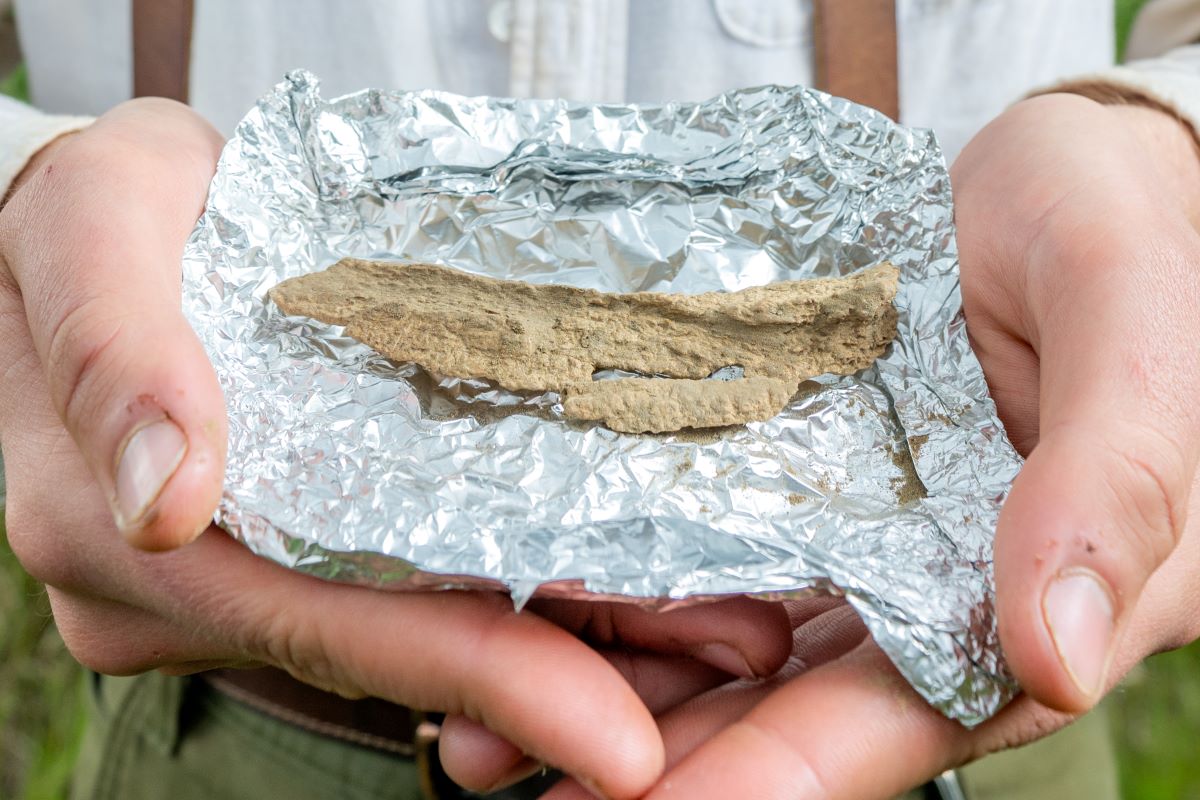 Uncovering the Hidden Truths Behind the California Gold Rush Era