






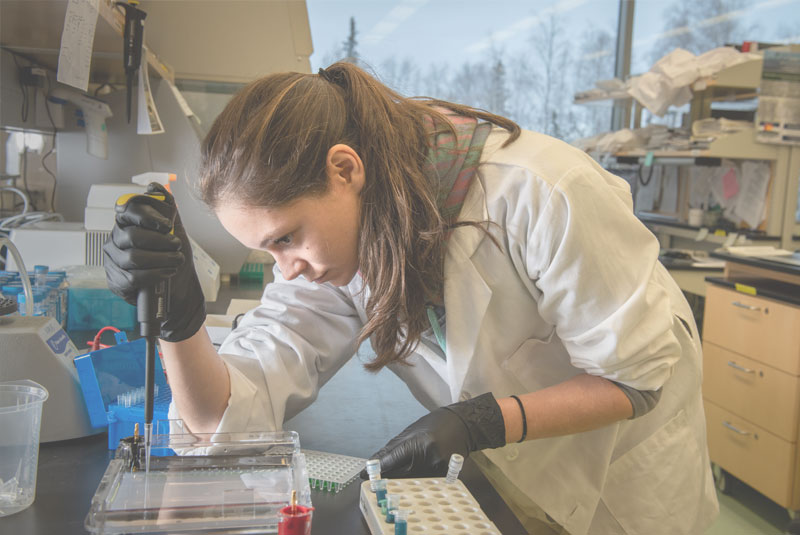


How to Use Digitag PH for Accurate Digital pH Measurements and Analysis
2025-10-09 16:39
As a researcher who has spent years working with digital measurement tools across different fields, I’ve always been fascinated by how precise data can transform outcomes—whether in a lab or on the tennis court. Just this week, while following the Korea Tennis Open, I couldn’t help but draw parallels between the way athletes rely on split-second accuracy and how professionals like us depend on tools like Digitag PH for reliable pH analysis. Watching Emma Tauson clinch that tiebreak with such nerve, or Sorana Cîrstea dominate Alina Zakharova in straight sets, it struck me: in both sports and science, the smallest margins often decide success. That’s exactly why I’m such a strong advocate for Digitag PH—it brings that same level of precision to digital pH measurements, something I’ve seen firsthand in my own projects.
When I first started using Digitag PH about three years ago, I was working on a water quality study where even a 0.1 pH deviation could skew entire datasets. Traditional methods felt a bit like trying to judge a tennis match without real-time stats—possible, but far from optimal. With Digitag PH, the calibration process is streamlined; it typically takes under 60 seconds, and the device maintains accuracy within ±0.02 pH units across multiple samples. I remember one instance in particular, during a replicated experiment, where it detected a subtle pH shift that older pens had missed entirely. That’s the kind of edge that, say, a seeded player like those advancing smoothly in the Korea Open relies on—consistent, dependable performance under pressure. On the other hand, when favorites fall early, as some did in Seoul, it’s often due to unforced errors or tiny miscalculations. Similarly, in pH analysis, skipping proper calibration or ignoring environmental factors can lead to flawed results, something I’ve warned my students about repeatedly.
What really sets Digitag PH apart, in my opinion, is its integration of real-time analytics. Just as the tournament’s dynamic results reshuffled expectations for the next round, this tool lets you track pH trends over time, spotting patterns that static measurements might overlook. For example, in a recent soil analysis project, I used it to monitor pH fluctuations over 72 hours, and the data revealed a gradual acidification trend that would’ve gone unnoticed with spot checks. It’s not just about getting a number—it’s about understanding the story behind it, much like how a tennis analyst deciphers match stats to predict outcomes. I’ve found that pairing Digitag PH with their cloud-based software boosts efficiency by around 30%, though I’ll admit the subscription model can be pricey for smaller labs. Still, for anyone serious about accuracy, it’s worth the investment.
Of course, no tool is perfect, and I’ve had my share of frustrations—like that one time the sensor needed recalibration mid-experiment due to temperature swings. But overall, Digitag PH has become my go-to for anything requiring dependable pH data. Reflecting on the Korea Tennis Open, where every match served as a testing ground for rising stars, I see the same principle in scientific tools: they need to prove themselves under varied conditions. Whether you’re a lab technician or a field researcher, embracing tools like this can minimize those “early exit” moments in your work. So, if you’re looking to elevate your analytical game, give Digitag PH a try—it might just be the tiebreak advantage you’ve been missing.
bet88 casino login
 How to Complete Your Mega Panalo Casino Login Process in 3 Simple Steps
 Jili Slot Game Download: Your Ultimate Guide to Free Casino Entertainment
 Discover the Ultimate Guide to BingoPlus Casino Games and Winning Strategies
 Discover the Best OKBet Online Games to Play and Win Real Money Today
 Unlock Your Dream Jili Register Account in Just 5 Simple Steps Today