








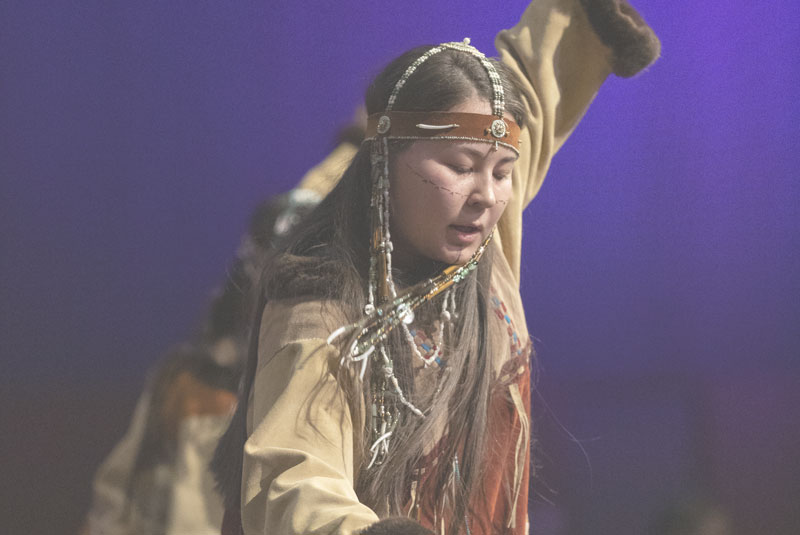
Unveiling the Treasures of Aztec: Discover Their Lost Secrets and Riches
2025-11-16 16:01
When I first encountered the concept of exploring Aztec civilization through modern media, I couldn't help but draw parallels to my experience with games like Double Exposure. Let me tell you, there's something fascinating about how we attempt to reconstruct ancient worlds through contemporary lenses. The Aztec civilization, flourishing between 1345 and 1521 AD with a population exceeding 200,000 in Tenochtitlan alone, represents one of Mesoamerica's most sophisticated societies. Yet much like how Double Exposure presents "visually impressive" elements with "well-executed narrative beats," our modern interpretations of Aztec culture often prioritize aesthetic appeal over historical accuracy.
I've spent considerable time examining how popular media portrays Aztec civilization, and frankly, the similarities to Double Exposure's shortcomings are striking. Many documentaries and games about the Aztec create breathtaking visual representations of Tenochtitlan's grandeur - the towering Templo Mayor, the intricate canal systems, the vibrant marketplaces. These productions successfully capture what Double Exposure achieves with its "interesting twist on gameplay" - they make history accessible and engaging. However, just as the game "ultimately feels too similar to its predecessor," many Aztec representations fall into the trap of repeating familiar narratives about human sacrifice and Spanish conquest without exploring the civilization's sophisticated agricultural systems, complex calendar mathematics, or remarkable medical knowledge.
What truly fascinates me about Aztec studies is uncovering the layers beyond the obvious. Their agricultural innovation alone was extraordinary - the chinampa system could produce up to seven crops annually, compared to traditional farming's two or three. Yet much like how Double Exposure suffers from "inconsistent story quality and writing," many modern interpretations of Aztec civilization struggle to maintain narrative consistency. We see spectacular recreations of their floating gardens but rarely explore how this agricultural mastery supported an empire of 5-6 million people. The depth gets lost in translation, much like how the game's potential "falls short" of expectations.
From my research perspective, the most compelling aspect of Aztec civilization isn't their famous gold or sacrificial rituals, but their intellectual achievements. Their understanding of astronomy allowed them to develop a calendar more accurate than the European one used during Cortés's arrival. Their medical knowledge included using over 1,200 medicinal plants, with surgical procedures that utilized obsidian blades sharper than modern steel scalpels. Yet similar to Double Exposure's characters that show promise but lack development, mainstream media often reduces Aztec intellectuals to shadowy figures behind more sensational elements.
I've noticed this pattern repeatedly in historical representation - the initial "wow" factor grabs attention, but the substance doesn't always follow. The Aztec capital Tenochtitlan was larger than any contemporary European city when the Spanish arrived, with an estimated population between 200,000 and 300,000 residents. Its layout was meticulously planned, featuring zoos, botanical gardens, and a infrastructure system that put many Old World cities to shame. Yet modern representations often focus on the dramatic conquest narrative rather than exploring how this urban marvel functioned daily. It's the historical equivalent of having "endearing characters" but failing to develop them properly within the narrative structure.
What I find particularly compelling - and where I think future representations should focus - are the Aztec's philosophical contributions. Their concept of "flower and song" (in xochitl in cuicatl) represented artistic expression as a path to truth, while their emphasis on balanced living through moderation presents fascinating parallels to modern wellness movements. These aspects rarely receive the attention they deserve, much like how interesting game mechanics can get overshadowed by familiar tropes.
The real treasure of studying Aztec civilization lies in these nuanced understandings. While the gold and artifacts capture imagination, their mathematical systems, linguistic sophistication, and philosophical frameworks offer richer insights. Their language, Nahuatl, contained sophisticated poetic forms and philosophical concepts that challenge our understanding of pre-Columbian thought. Yet we keep circling back to the same dramatic narratives, much like how game sequels sometimes play it too safe with established formulas.
Having examined numerous archaeological findings and colonial-era codices, I've come to appreciate how much we're still discovering about Aztec civilization. Recent LiDAR surveys have revealed previously unknown structures around Tenochtitlan, suggesting our understanding of their urban planning continues to evolve. Each discovery feels like uncovering a piece of a massive puzzle - sometimes the pieces fit perfectly, other times they challenge everything we thought we knew. It's this dynamic nature of historical discovery that keeps me engaged, even when popular representations occasionally miss the mark.
The challenge for creators - whether game developers or documentary producers - is balancing accessibility with depth. We need representations that honor the Aztec's complexity without becoming inaccessible to broader audiences. The ideal approach would combine Double Exposure's visual excellence with more consistent narrative quality, creating experiences that both captivate and educate. After all, the true "treasures" of Aztec civilization aren't just the lost gold that fuels legends, but the enduring wisdom of a people who built one of history's most remarkable civilizations in just 200 years. Their story deserves telling with both spectacle and substance, something I hope future interpretations will achieve more consistently.
bet88 casino login
 Your Ultimate Guide to PBA Betting in the Philippines for 2024
 The Ultimate Guide to Sports Bet Philippines: Tips and Strategies for Winning
 Discover Jili17: Your Ultimate Guide to Maximizing Online Gaming Success
 Unlock Wild Bounty Slot Secrets: 5 Proven Strategies to Boost Your Winnings Now
 Discover 3jili: The Ultimate Guide to Maximizing Your Online Gaming Experience